Part 2: Rebuilding Energy Through Ayurveda, Yoga, Nutrition, and Restorative Living
Ayurvedic and yogic principles for cultivating sustainable vitality through digestion, nourishment, restorative sleep, balanced movement, emotional wellbeing, and consistent daily routines.
Important Medical Reminder
The recommendations below are intended to complement—not replace—medical evaluation and treatment. If your fatigue is worsening, unexplained, or accompanied by chest pain, shortness of breath, unexplained weight loss, fever, fainting, severe depression, or neurological symptoms, seek prompt medical attention.
Always consult your healthcare provider before beginning a new exercise program, herbal supplement, or significant dietary change.
Healing Energy Requires More Than Rest
Many people living with persistent fatigue believe they simply need more sleep.
Sometimes they do.
But often, recovery requires much more than extra hours in bed.
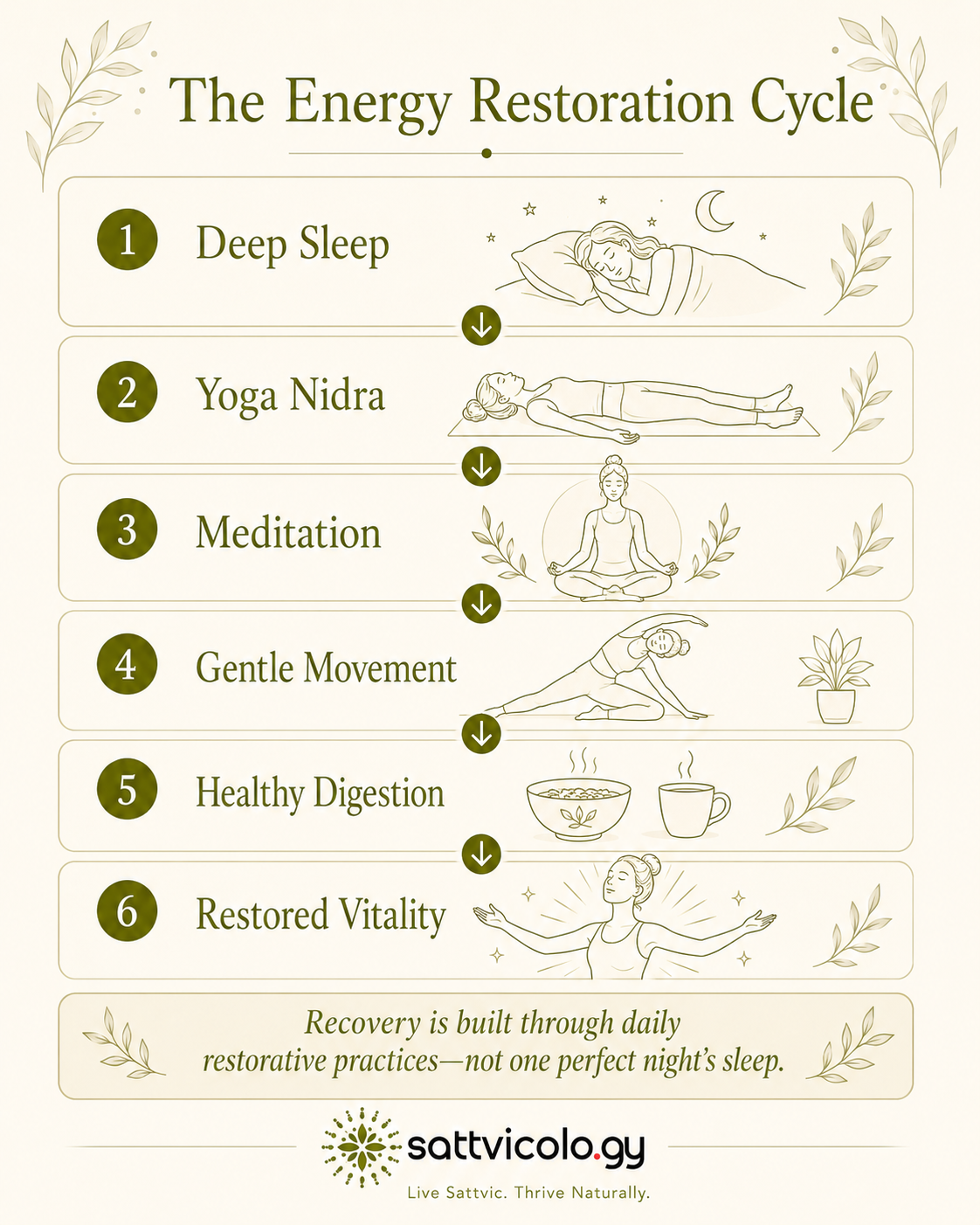
Ayurveda teaches that energy is generated, conserved, and renewed through a combination of:
- Healthy digestion (Agni)
- Nourishing foods
- Restorative sleep
- Balanced movement
- Emotional wellbeing
- Daily routines (Dinacharya)
- Healthy relationships
- Purposeful living
Yoga supports these same principles by calming the nervous system, improving circulation, encouraging mindful movement, and restoring the connection between body and mind.
Rather than chasing short bursts of energy, both Ayurveda and Yoga encourage building sustainable vitality.
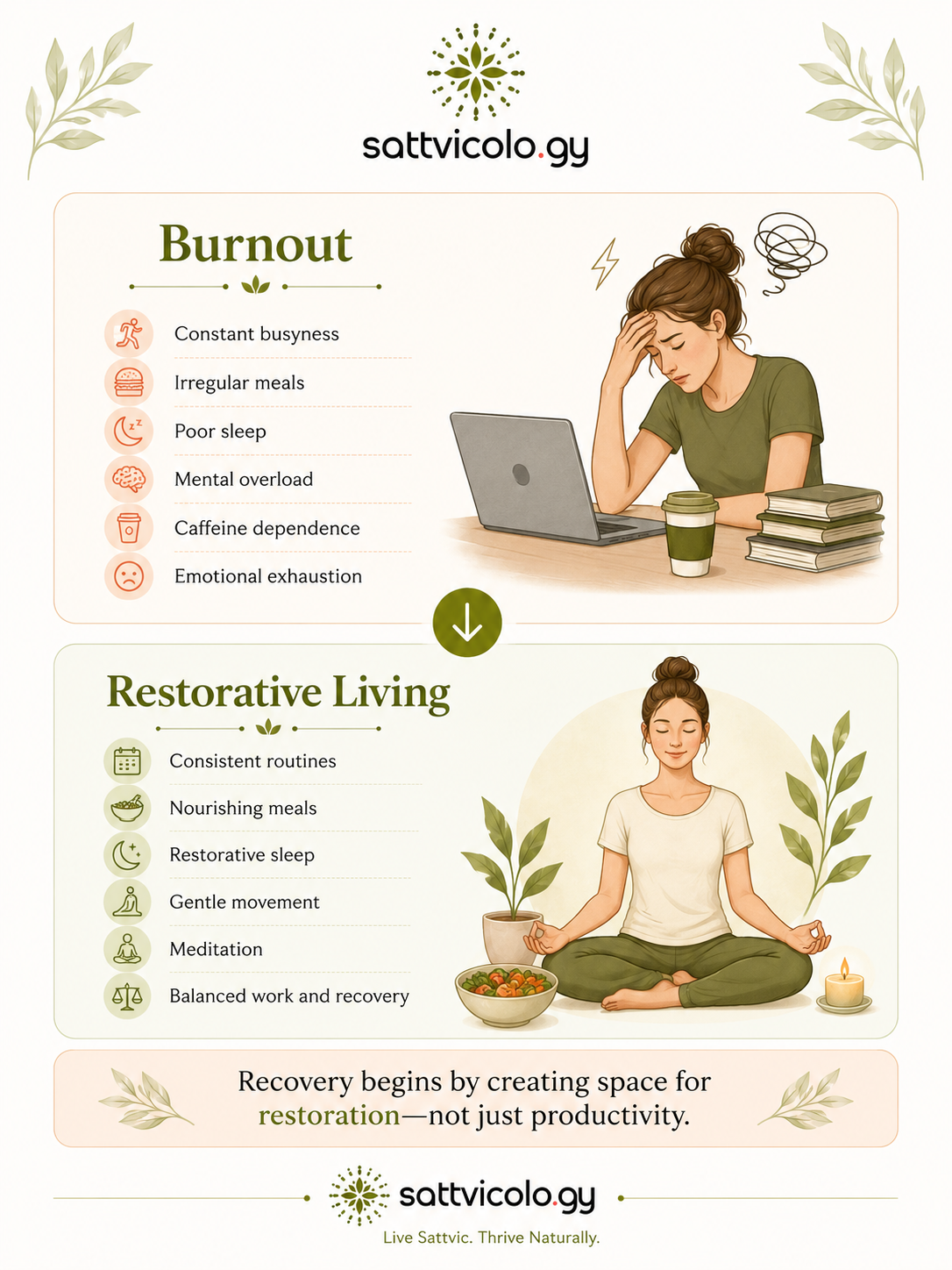
Burnout Is More Than Feeling Busy
Many people experiencing chronic fatigue are not simply tired—they are burned out.
Burnout may result from prolonged physical, emotional, or mental stress.
Common signs include:
- Feeling exhausted despite resting
- Loss of motivation
- Difficulty concentrating
- Increased irritability
- Reduced productivity
- Feeling emotionally detached
- Poor sleep
- Frequent illness
Modern psychology recognizes burnout as a significant occupational and emotional health concern.
Ayurveda often views prolonged overwork as a disturbance of Vata and Pitta, eventually leading to depletion of Ojas, the body’s reserve of vitality.
Dinacharya: Rebuilding Energy One Day at a Time
Ayurveda places tremendous importance on daily routines, especially for people experiencing exhaustion.
Consistency helps regulate digestion, sleep, hormones, mood, and the nervous system.
Morning
- Wake at approximately the same time each day.
- Drink warm water upon waking.
- Spend five minutes practicing gratitude or quiet breathing.
- Step outside for natural morning sunlight.
- Perform gentle stretching or yoga.
- Eat a warm, nourishing breakfast.
Midday
Eat your largest meal between 11:30 a.m. and 1:30 p.m., when Agni is traditionally considered strongest.
Choose meals rich in:
- Cooked vegetables
- Whole grains
- Plant protein
- Healthy fats
- Fresh herbs
Take a brief walk afterward if medically appropriate.
Evening
Create a calming transition into sleep.
Consider:
- Turning off screens at least one hour before bed.
- Reading instead of scrolling.
- Gentle stretching.
- Yoga Nidra.
- Herbal tea, if appropriate.
- Going to bed at the same time each evening.
Yoga for Chronic Fatigue
One of the biggest mistakes people make when exhausted is believing they need either complete rest or intense exercise.
Neither extreme is ideal for most individuals.
Instead, Ayurveda and Yoga encourage gentle, restorative movement that supports circulation, flexibility, breathing, and nervous system regulation without overwhelming the body.
The goal is to finish your practice feeling more energized than when you began.
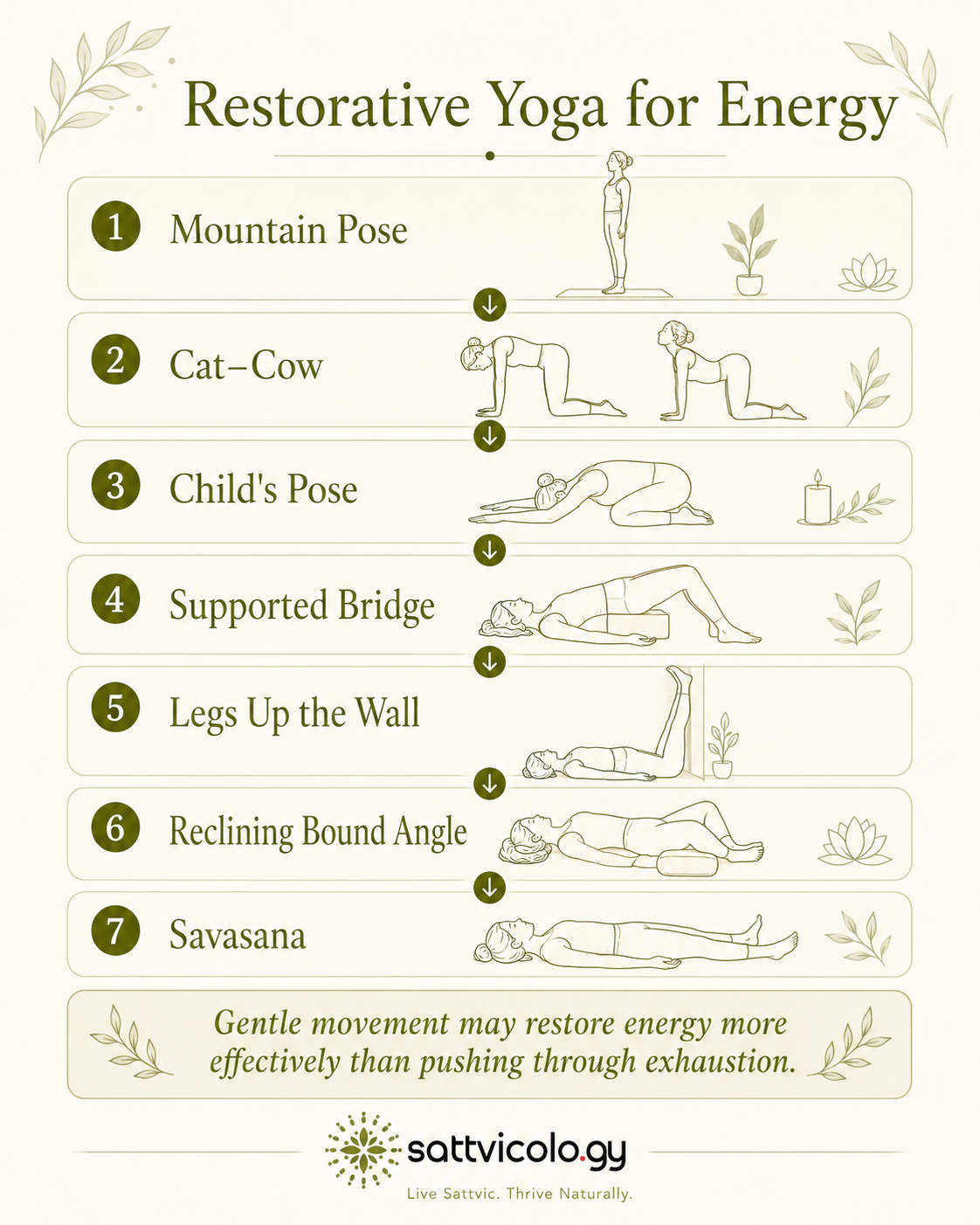
Gentle Restorative Yoga Sequence
Practice only after receiving approval from your healthcare professional.
1. Mountain Pose (Tadasana)
Benefits:
- Improves posture
- Encourages grounding
- Builds body awareness
Hold for five slow breaths.
2. Cat–Cow (Marjaryasana–Bitilasana)
Benefits:
- Mobilizes the spine
- Encourages coordinated breathing
- Reduces stiffness
Repeat 8–10 times.
3. Child's Pose (Balasana)
Benefits:
- Relaxes the nervous system
- Gently stretches the back
- Encourages deep breathing
Support the torso with bolsters if needed.
4. Supported Bridge Pose
Benefits:
- Opens the chest
- Encourages relaxation
- Supports gentle circulation
Place a yoga block or bolster beneath the sacrum.
5. Legs Up the Wall (Viparita Karani)
Benefits:
- Reduces leg fatigue
- Encourages relaxation
- Supports circulation
Remain for 5–10 minutes.
6. Reclining Bound Angle Pose
Benefits:
- Opens the hips gently
- Promotes relaxation
- Encourages diaphragmatic breathing
Support the knees with pillows.
7. Savasana
Benefits:
- Deep relaxation
- Nervous system recovery
- Mind-body integration
Remain for 10–15 minutes.
Pranayama: Breathing for Sustainable Energy
Many people living with fatigue unconsciously breathe rapidly or shallowly.
Stress further contributes to inefficient breathing patterns.
Gentle breathing exercises may help calm the nervous system and improve awareness of natural breathing.
Diaphragmatic Breathing
Practice:
- Place one hand on the abdomen.
- Inhale slowly through the nose.
- Allow the abdomen to rise.
- Exhale gently without force.
Practice for five minutes daily.
Nadi Shodhana (Alternate Nostril Breathing)
Traditionally believed to balance mental activity and promote calm.
Practice slowly without holding the breath.
Bhramari (Humming Bee Breath)
Benefits:
- Relaxation
- Improved concentration
- Reduced mental tension
The gentle vibration created during humming may help encourage a calming effect.
Avoid forceful breathing practices such as Kapalabhati or Bhastrika if you are experiencing severe fatigue unless advised by an experienced yoga therapist or healthcare professional.
Meditation: Conserving Mental Energy
Fatigue is not always physical.
Many people are mentally exhausted.
Meditation helps reduce unnecessary mental effort by encouraging present-moment awareness rather than constant worry or overthinking.
Even five to ten minutes daily may become an important part of an energy-supporting routine.
A Simple Meditation Practice
Sit comfortably.
Close your eyes.
Notice:
- Your breathing.
- Your heartbeat.
- Areas of tension.
- Thoughts passing through the mind.
Rather than trying to stop thoughts, simply observe them with kindness.
Yoga Nidra: The Art of Conscious Rest
Yoga Nidra is often called “yogic sleep,” although practitioners remain awake during the guided relaxation.
Research suggests Yoga Nidra may help support:
- Better sleep quality
- Reduced stress
- Emotional wellbeing
- Relaxation
Many people with chronic fatigue find that even a short Yoga Nidra practice helps them feel more refreshed without the grogginess that can sometimes follow daytime naps.
Sattvic Nutrition for Lasting Energy
Ayurveda emphasizes eating foods that are fresh, seasonal, nourishing, and easy to digest.
Rather than relying on stimulants for quick energy, sattvic nutrition aims to support steady vitality throughout the day.
Foods That Support Healthy Energy
Examples include:
- Mung dal
- Quinoa
- Oats
- Sweet potatoes
- Pumpkin
- Carrots
- Cooked leafy greens
- Berries
- Almonds
- Walnuts
- Sesame seeds
- Fresh coconut
- Dates, in moderation
- Olive oil
- Organic ghee, if appropriate
- Fresh cilantro
- Ginger
- Turmeric
- Coriander
- Cumin
- Fennel
Warm, freshly prepared meals are generally easier to digest than heavily processed convenience foods.
Staying Hydrated
Even mild dehydration can contribute to:
- Fatigue
- Headaches
- Poor concentration
- Reduced physical performance
Choose:
- Water
- Herbal teas
- Coconut water, when appropriate
- Homemade vegetable soups
Avoid relying on sugary beverages or energy drinks as primary sources of hydration.
Rethinking Caffeine
Coffee and caffeinated beverages may temporarily increase alertness.
However, excessive caffeine can sometimes contribute to:
- Anxiety
- Sleep disruption
- Digestive discomfort
- Energy crashes later in the day
Ayurveda encourages observing how caffeine affects your individual constitution rather than assuming it is universally beneficial or harmful.
Ayurvedic Herbs Traditionally Used to Support Vitality
The following herbs have long histories of traditional use in Ayurveda.
Ashwagandha (Withania somnifera)
Traditionally used as an adaptogenic herb to support resilience to stress and healthy sleep.
Guduchi (Tinospora cordifolia)
Traditionally used to support vitality and overall wellbeing.
Amalaki (Emblica officinalis)
A rich source of natural antioxidants and traditionally used as a rejuvenative herb (Rasayana).
Shatavari (Asparagus racemosus)
Traditionally used to support nourishment and balance, particularly during periods of depletion.
Brahmi (Bacopa monnieri)
Traditionally associated with cognitive support and mental clarity.
Safety Reminder: Herbal supplements may interact with prescription medications, including blood thinners, diabetes medications, thyroid medications, sedatives, and antidepressants. Always discuss herbal products with your healthcare provider before use.
Learning to Pace Yourself
One of the most valuable lessons for individuals living with chronic fatigue is understanding pacing.
Instead of alternating between overactivity and complete exhaustion, pacing encourages balancing activity with adequate recovery.
Helpful strategies include:
- Breaking large tasks into smaller steps.
- Scheduling regular rest breaks.
- Prioritizing essential activities.
- Learning to say “no” when necessary.
- Celebrating gradual progress.
Ayurveda similarly teaches moderation (Mitahara and balanced living) as an important principle of long-term health.
Energy Comes from Living in Harmony
Ayurveda teaches that energy is not simply something we consume.
It is something we cultivate.
When digestion is supported, sleep is restorative, movement is balanced, stress is managed, and the mind becomes calmer, vitality often has the opportunity to return gradually.
This process requires patience.
Recovery is rarely immediate.
But consistent daily choices can become powerful investments in long-term wellbeing.
Continue Your Wellness Journey
Take the Free Sattvicology Gunas Assessment
Receive personalized Ayurvedic insights and practical lifestyle recommendations that can support your journey toward greater balance and sustainable energy.