Taking Ozempic, Wegovy or Zepbound? 11 Ayurvedic Principles for Digestion, Nutrition & Long-Term Wellness
How Ayurveda May Complement GLP-1 Therapy by Supporting Digestion, Nutrient Intake, Muscle Preservation, Mindful Eating and Sustainable Lifestyle Change
GLP-1 Medications Are Changing More Than the Number on the Scale
For millions of Americans, medications such as semaglutide and tirzepatide are changing more than the number on the scale.
They are changing hunger, portion sizes, food preferences, digestion, grocery shopping, relationships with food and, in some cases, the way people think about weight itself.
As of May 2026, approximately 21% of U.S. households included a current GLP-1 user, according to PwC analysis—more than double the 9% reported in January 2025. Yet the same research uncovered an important gap: many GLP-1 users feel they are largely assembling their own support systems around nutrition, exercise, supplements and long-term wellness.
What should you do for the rest of your body while a GLP-1 medication is helping change your appetite and metabolism?
This is where an ancient concept from Ayurveda becomes surprisingly relevant.
Ayurveda does not begin by asking only: “How much weight are you losing?” It also asks how you are digesting, whether you are adequately nourished, whether your bowels are moving comfortably, whether you are sleeping well, whether you are losing strength along with weight, what your relationship with food looks like now that hunger has changed, and whether you are building habits that can support your health for years rather than simply reaching a target weight.
Ayurveda should not replace medically prescribed GLP-1 therapy, and Ayurvedic practitioners should not alter your medication dose. But personalized Ayurvedic nutrition, daily routines, yoga, mindful eating and lifestyle practices may provide a valuable complementary framework for people navigating the profound dietary and digestive changes that can accompany GLP-1 therapy.
Quick Answer: Can Ayurveda Be Used While Taking a GLP-1 Medication?
Ayurvedic lifestyle practices may be used as complementary wellness support for some people taking GLP-1 medications, provided they are coordinated with the prescribing healthcare professional.
Ayurveda should not be presented as an alternative to semaglutide, tirzepatide or another medically indicated therapy.
The most useful role for Ayurveda may be in areas such as:
- Meal quality
- Digestive comfort
- Regular eating habits
- Hydration
- Mindful eating
- Sleep
- Stress management
- Yoga and appropriate movement
- Maintaining healthy routines
- Supporting long-term behavior change
Herbal supplements require greater caution because they can interact with medications or affect blood glucose, gastrointestinal function and other physiological processes.
What Are GLP-1 Medications?
GLP-1 stands for glucagon-like peptide-1, a naturally occurring hormone involved in appetite, glucose regulation and digestion.
GLP-1 receptor agonist medications mimic certain effects of this hormone. Depending upon the medication and indication, these therapies can help:
- Improve blood glucose regulation
- Reduce appetite
- Increase feelings of fullness
- Reduce food intake
- Support significant weight loss
- Reduce certain obesity-related health risks
Semaglutide is a GLP-1 receptor agonist. Tirzepatide acts on both GIP and GLP-1 receptors.
These medications are not interchangeable simply because they are discussed together online.
- Ozempic contains semaglutide and is primarily approved for type 2 diabetes and specific cardiovascular/kidney-related indications.
- Wegovy contains semaglutide and is approved for chronic weight management in eligible patients, among other current indications.
- Zepbound contains tirzepatide and is approved for chronic weight management in eligible patients and for certain adults with obesity and obstructive sleep apnea.
The appropriate medication, indication and dosage should always be determined by a qualified prescribing clinician.
GLP-1 Medications Are Powerful—But Medication Alone Is Not the Whole Wellness Plan
The National Institute of Diabetes and Digestive and Kidney Diseases emphasizes that weight-management medications are generally used alongside healthy eating and physical activity, rather than instead of them.
A major 2025 multidisciplinary advisory published in The American Journal of Clinical Nutrition concluded that patients receiving GLP-1 therapy need thoughtful nutritional and lifestyle support.
Their priorities included:
- Nutrient adequacy
- Management of gastrointestinal symptoms
- Adequate protein
- Hydration
- Preservation of muscle and bone
- Resistance exercise
- Sleep
- Mental stress management
- Behavioral support
- Long-term follow-up
The medication can change appetite. It does not automatically build a healthy lifestyle around that new appetite. That part still requires attention.
Why Digestion Becomes So Important on GLP-1 Therapy
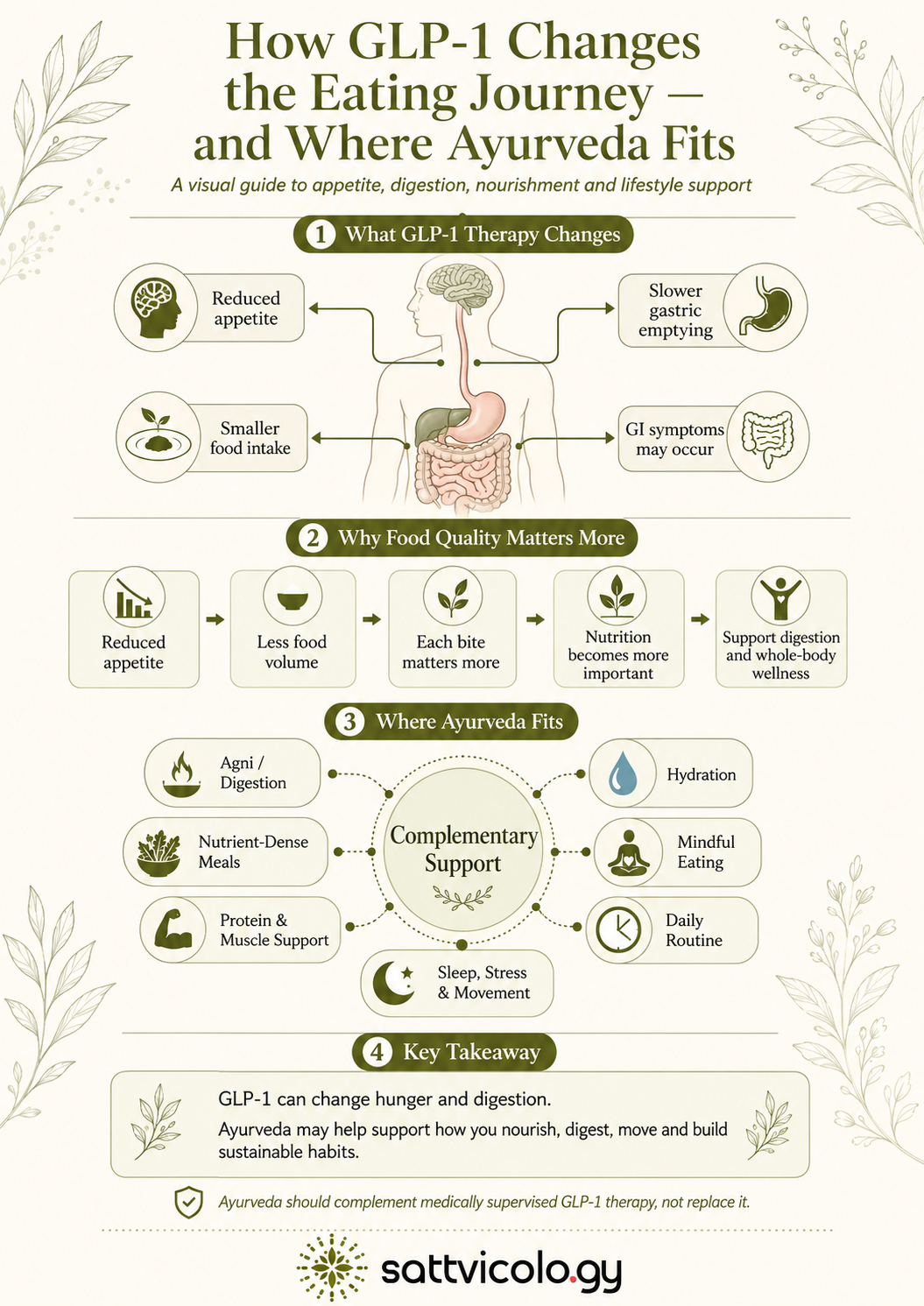
Many GLP-1 medications delay gastric emptying, meaning food may remain in the stomach longer. This is one of the mechanisms contributing to greater satiety. It can also contribute to gastrointestinal symptoms.
Current prescribing information for Wegovy lists common adverse reactions that include:
- Nausea
- Diarrhea
- Vomiting
- Constipation
- Abdominal pain
- Indigestion
- Abdominal bloating
- Belching
- Reflux
Zepbound prescribing information similarly lists nausea, diarrhea, vomiting, constipation, abdominal discomfort, dyspepsia and reflux among common adverse reactions.
For Ayurveda, this immediately raises a familiar question: What is happening to Agni?
The Ayurvedic Concept of Agni
In Ayurveda, Agni is generally translated as digestive or metabolic “fire.” It is not equivalent to stomach acid, digestive enzymes or metabolism in the modern biomedical sense.
Rather, it is a traditional framework used to describe the body’s ability to appropriately: receive → digest → transform → assimilate → eliminate.
When food intake changes dramatically, appetite falls, digestion slows or bowel habits become irregular, an Ayurvedic practitioner pays close attention to Agni.
This is particularly relevant for a person taking a GLP-1 medication because the goal should not simply be: “Eat as little as possible.” The goal should be: “Within my medically appropriate reduced intake, how do I nourish myself as effectively and comfortably as possible?”
Weight Loss Is Not the Same as Nourishment
GLP-1 medications can dramatically reduce appetite. That can be therapeutic. But reduced hunger can sometimes lead people to unintentionally consume too little:
- Protein
- Fiber
- Vitamins
- Minerals
- Fluids
- Essential fats
- Overall nutrient-dense food
The 2025 multidisciplinary GLP-1 nutrition advisory specifically identified nutritional deficiencies resulting from substantially lower caloric intake as an issue requiring clinical attention.
From an Ayurvedic perspective, successful weight management should not require becoming disconnected from nourishment.
Smaller appetite should lead to greater attention to food quality—not indifference to food.
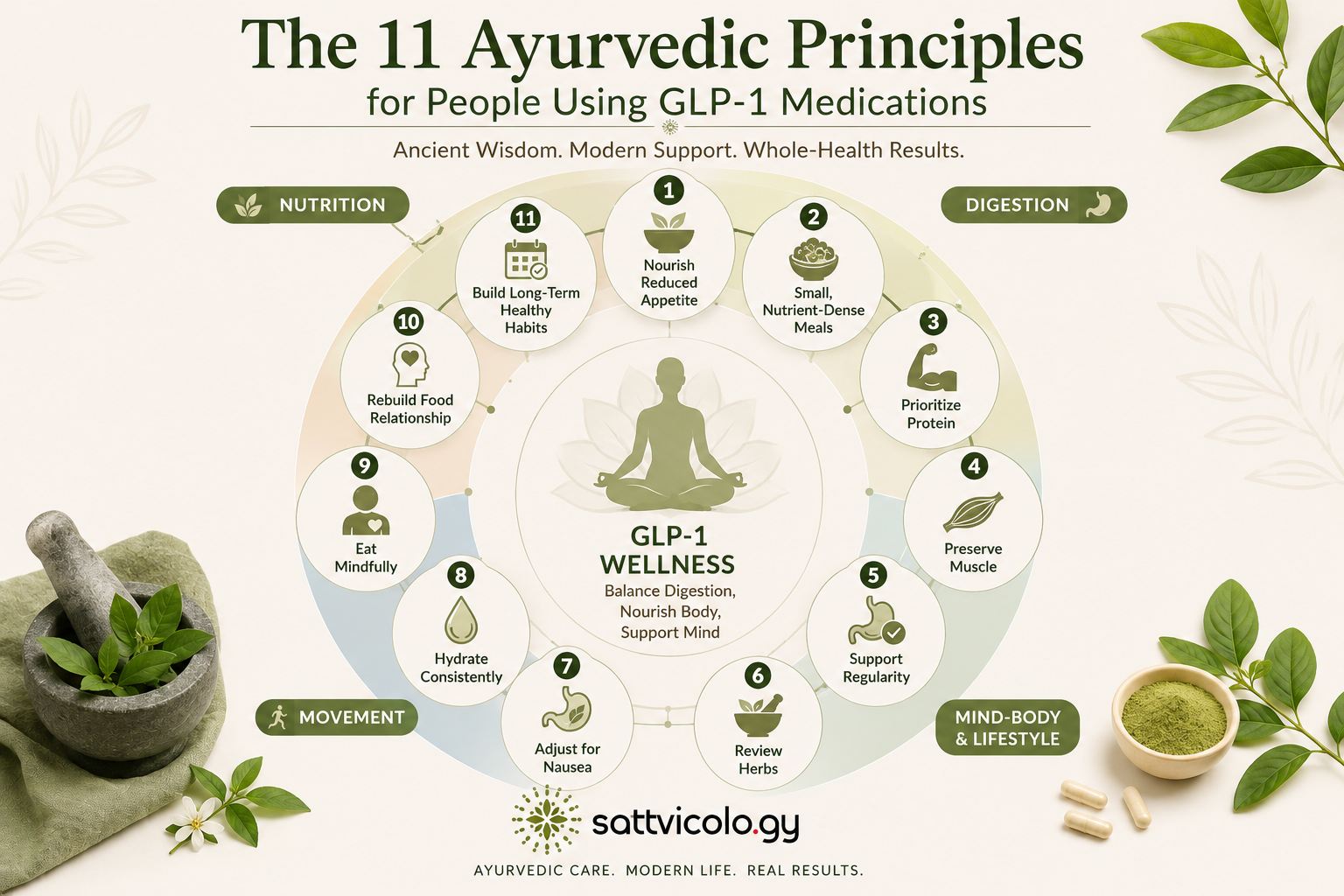
1. Respect Your Reduced Appetite—But Don’t Ignore Nutrition
One of the most noticeable effects of GLP-1 therapy is that food may occupy far less mental space. Some people describe this as reduced “food noise.”
That can create an extraordinary opportunity. When appetite is quieter, ask: What foods genuinely nourish me?
Instead of trying to fit the same portions into a smaller appetite, focus on nutrient density. Depending upon your medical needs and dietary preferences, meals may emphasize:
- Lentils and dals
- Beans
- Tofu
- Paneer or yogurt if appropriate
- Eggs if part of your diet
- Vegetables
- Whole grains
- Nuts and seeds
- Fresh fruits
- Healthy fats
- Other protein sources recommended by your healthcare team
When appetite is limited, every bite carries greater nutritional importance.
2. Think “Small and Nourishing,” Not “Nothing All Day”
For some people, large meals become uncomfortable while taking a GLP-1. The multidisciplinary GLP-1 nutrition advisory notes that smaller, more frequent meals may be useful when hunger and food interest are reduced.
That concept fits naturally with individualized Ayurvedic nutrition. Instead of forcing a large plate because it is “mealtime,” consider a smaller meal that is nutrient-dense + digestible + satisfying + appropriate for your health needs.
- A small bowl of mung dal
- Vegetable soup with lentils
- Plain Greek yogurt with seeds and fruit
- Khichdi adjusted to provide adequate protein
- A vegetable-and-tofu preparation
- A nourishing smoothie recommended by your healthcare team
The objective is not simply eating less. It is eating intelligently within reduced volume.
3. Make Protein a Priority
When people lose substantial amounts of body weight, they do not lose only fat. Some lean tissue is generally lost as well.
The 2025 GLP-1 nutrition advisory emphasizes adequate protein and resistance exercise to help preserve muscle mass during treatment.
This matters especially for:
- Older adults
- Women in perimenopause or menopause
- Sedentary adults
- People losing weight rapidly
- People beginning with lower muscle mass
From a Sattvic dietary perspective, protein does not have to mean building every meal around heavy meat consumption. Depending upon the individual, options may include mung beans, lentils, dals, chickpeas, tofu, tempeh, paneer, yogurt, cottage cheese, milk if tolerated, nuts, seeds and other appropriate whole-food sources.
People following vegan or vegetarian diets may need particular attention to achieving sufficient total protein and specific nutrients while eating substantially smaller quantities of food. Your prescribing clinician or registered dietitian can help establish an appropriate protein target.
4. Preserve Muscle—Don’t Measure Success Only in Pounds
Imagine two people each lose 35 pounds. One loses primarily excess body fat while becoming stronger. The other loses significant fat and considerable muscle, feels weak, stops exercising and becomes less metabolically resilient. The scale tells a similar story. Their health does not.
The joint nutrition advisory emphasizes structured resistance training, not merely protein intake, as an important strategy for preserving muscle.
That means your GLP-1 wellness plan should consider:
- Strength
- Balance
- Mobility
- Functional capacity
- Protein adequacy
- Bone health
Yoga can be an excellent complement to this plan, particularly for flexibility, mobility, balance, body awareness and stress management. However, gentle yoga alone should not automatically be considered a replacement for progressive resistance training when muscle preservation is the goal.
5. Support Constipation Without Automatically Reaching for Ayurvedic Herbs
Constipation is one of the common gastrointestinal complaints associated with GLP-1 medications. Ayurveda traditionally places great importance on regular elimination.
However, this is an area where people often make a mistake: they immediately purchase Triphala or another herbal laxative without considering why constipation has developed.
Constipation during GLP-1 therapy may be influenced by:
- Reduced food volume
- Lower fiber intake
- Inadequate fluid intake
- Reduced activity
- Medication effects
- Other medications
- Individual gastrointestinal conditions
Begin by discussing persistent constipation with the clinician managing your GLP-1 medication. General supportive strategies may include, when medically appropriate, adequate hydration, gradually increasing dietary fiber, vegetables, fruits, lentils, ground flax or chia, gentle walking and consistent meal patterns.
Natural does not mean interaction-free.
6. Be Especially Careful With Ayurvedic Herbs That Affect Blood Sugar
Some Ayurvedic herbs and foods have been studied for potential glucose-lowering effects. If a person is taking GLP-1 therapy for diabetes—and particularly if other glucose-lowering medications are involved—adding multiple herbs or supplements without supervision may complicate glucose management.
Examples that may deserve professional review include supplements containing concentrated forms of:
- Bitter melon
- Fenugreek
- Gymnema
- Berberine-containing botanicals
- Cinnamon extracts
- Certain multi-herb glucose formulations
This does not mean these substances are inherently harmful. It means the context matters. A qualified practitioner should know: Every medication. Every supplement. Every herb. Every significant dietary intervention.
7. Treat Nausea as a Signal to Adjust—Not Something to “Push Through”
Nausea is among the most frequently reported adverse effects of both Wegovy and Zepbound. If nausea develops, very large meals, high-fat meals or eating rapidly may be harder to tolerate.
An Ayurvedic approach may favor food that is simpler and easier for the individual to digest during symptomatic periods. Depending on your medical and nutritional needs, this might mean smaller portions of:
- Soft-cooked vegetables
- Soups
- Simple dals
- Rice or other tolerated grains
- Lightly prepared proteins
- Warm foods
Some people instinctively reach for ginger. Ginger has longstanding culinary and traditional use for digestive comfort, but concentrated ginger supplements are not appropriate for everyone and may interact with certain medications.
Persistent or severe nausea, repeated vomiting or inability to maintain hydration requires medical guidance.
8. Hydration Deserves More Attention Than It Gets
People often assume thirst will automatically remind them to drink. That is not always reliable—especially when overall food and beverage intake have changed substantially.
Vomiting and diarrhea can contribute to dehydration. Meanwhile, constipation can worsen when fluid intake is insufficient.
Make hydration part of your Dinacharya, or daily routine. For example: morning hydration, fluids between meals as tolerated, hydration after exercise and routine awareness of urine color and thirst.
The exact amount of fluid needed varies by body size, climate, activity level, kidney function, heart health and other medical factors. People with fluid restrictions should always follow their medical team’s recommendations.
9. Slow Down—even When Your Portion Is Already Small
A GLP-1 can reduce the amount you want to eat. It does not automatically create mindful eating. You can still eat while scrolling, eat at your desk, eat quickly, ignore taste, ignore fullness or feel anxious about eating at all.
Ayurveda places considerable emphasis on how food is eaten, not merely what food is eaten.
Try turning meals into a deliberate pause. Sit down. Notice the food. Chew well. Avoid unnecessary multitasking. Pay attention to the point at which comfort turns into fullness.
Because gastric emptying is delayed by these medications, learning to recognize earlier satiety signals can be particularly valuable.
10. Use the Reduction in “Food Noise” to Build a New Relationship With Food
For some patients, a constant internal conversation about food becomes quieter. That psychological space can be transformative.
Instead of using the period solely to eat less, use it to learn:
- What does physical hunger feel like?
- What does comfortable fullness feel like?
- Which foods make me feel energized?
- Which eating habits were driven by stress?
- Do I eat because I am hungry—or because I am tired, lonely, anxious, bored or overstimulated?
Ayurveda and yogic philosophy describe three qualities of the mind: Sattva—clarity, harmony and awareness; Rajas—restlessness, stimulation and compulsive activity; and Tamas—inertia, heaviness and dullness.
GLP-1 treatment may reduce one powerful biological driver of eating. A Sattvic lifestyle can help you examine the behavioral and emotional drivers that remain.
11. Build the Lifestyle You Would Want Even Without the Injection
This may be the most important principle in this article. GLP-1 medications can produce significant weight loss. But obesity is a chronic disease, and discontinuation can be followed by substantial weight regain for many patients.
In the STEP 1 extension study, participants who stopped semaglutide after 68 weeks regained approximately two-thirds of their prior weight loss during the following year, on average.
That does not mean everyone who stops a GLP-1 will regain the same amount, and it does not mean people should discontinue therapy. It means that long-term weight regulation is biologically complicated.
This makes the treatment period an important opportunity to build:
- A sustainable way of eating
- Strength-training habits
- Daily movement
- Adequate protein habits
- Better sleep
- Stress-management practices
- Cooking skills
- Mindful eating
- Social support
- Regular health monitoring
- A healthier relationship with food
Do not wait until your medication changes to ask: “How do I maintain this?” Build maintenance into the journey from the beginning.
What Might an Ayurvedic Assessment Look at During GLP-1 Therapy?
An Ayurvedic practitioner does not prescribe or adjust your GLP-1 medication unless they separately possess the appropriate medical licensure and prescribing authority.
Instead, complementary Ayurvedic assessment may explore areas such as:
Prakriti
Your underlying constitutional tendencies.
Vikriti
Your current pattern of imbalance.
Agni
Your digestive capacity and current tolerance for food.
Vata
Relevant when constipation, irregular digestion, dryness, anxiety or disrupted routines predominate.
Pitta
Relevant when reflux, burning digestion, irritability or heat-related patterns predominate.
Kapha
Relevant when heaviness, lethargy, sluggishness or metabolic patterns predominate.
Dinacharya
Your daily rhythm, including waking, meals, movement and sleep.
Nidra
Quality and timing of sleep.
Manas
Mental and emotional patterns affecting food, stress and motivation.
These traditional concepts should not be confused with biomedical diagnoses. Their value lies in creating an individualized framework rather than giving every GLP-1 patient the same diet, herb and routine.
A Sample Sattvic GLP-1 Eating Philosophy
There is no single “Ayurvedic GLP-1 diet.” Your diet should be individualized to your health conditions, medication, nutritional requirements, constitution, preferences and digestive tolerance.
Choose Nutrient Density
When appetite is low, prioritize foods that deliver meaningful nutrition.
Choose Protein Deliberately
Do not assume you will consume enough protein automatically.
Favor Whole Foods
Emphasize vegetables, fruit, legumes, whole grains, nuts, seeds and appropriate protein sources rather than filling a reduced appetite with ultra-processed food.
Respect Digestive Capacity
Large or excessively rich meals may be harder to tolerate.
Eat Slowly
Give fullness signals time to register.
Hydrate
Especially if constipation, vomiting or diarrhea occurs.
Keep Food Enjoyable
Medical nutrition should not turn eating into punishment.
What About Sattvic Foods?
A traditional Sattvic diet emphasizes foods associated with clarity, balance and nourishment. Depending on individual needs, this may include:
- Fresh vegetables
- Fruits
- Whole grains
- Legumes
- Mung dal
- Nuts
- Seeds
- Appropriate dairy for those who consume and tolerate it
- Gentle herbs and spices
- Freshly prepared foods
This overlaps in interesting ways with modern GLP-1 nutrition recommendations emphasizing nutrient-dense, minimally processed foods.
When the amount you eat decreases, the quality of what you eat matters even more.
GLP-1 Therapy and the Risk of Losing Muscle
“Weight loss” sounds universally positive. But the body does not possess a separate button labeled: REMOVE FAT ONLY. Significant weight reduction typically involves some loss of lean body mass.
The 2025 expert advisory notes that meaningful lean-tissue loss can occur during substantial weight reduction and identifies people with inadequate protein intake, sedentary behavior and certain age or hormonal factors as potentially more vulnerable.
This is particularly important for women entering perimenopause and menopause, when maintaining muscle and bone health is already a priority.
Ask your healthcare team about:
- Protein requirements
- Resistance training
- Vitamin D
- Calcium
- Bone health
- Muscle strength
- Rate of weight loss
A smaller body that is significantly weaker is not necessarily a healthier outcome.
Yoga's Role in a GLP-1 Wellness Plan
Yoga can contribute something that a scale cannot measure. It can help restore:
- Body awareness
- Mobility
- Balance
- Flexibility
- Stress management
- Mind-body connection
- Consistent movement
- Awareness of breathing
For some people who have spent years viewing movement primarily as a way to “burn calories,” yoga can also help transform exercise into a practice of living within and caring for the body.
But remember: if preservation of skeletal muscle is a key goal, evidence-based resistance training should remain part of the discussion with your healthcare team. Yoga and strength training can complement each other beautifully.
Sleep and Stress Still Matter—even When Appetite Is Lower
A GLP-1 medication can modify hunger. It cannot eliminate chronic stress, workplace burnout, poor sleep, emotional distress, relationship problems, sedentary living, excessive screen exposure or circadian disruption.
The expert GLP-1 nutrition advisory specifically includes sleep habits and mental stress management among important lifestyle factors to assess and address during treatment.
Ayurvedic practices that may complement conventional care include:
- Consistent sleep and wake times
- Meditation
- Pranayama
- Gentle evening yoga
- Time in nature
- Reduced nighttime stimulation
- Mindful routines
- Appropriate self-care practices
The medication may quiet food noise. Your lifestyle must still create the conditions for recovery.
Should You Take Triphala While on Ozempic, Wegovy or Zepbound?
This is exactly the type of question that should be individualized. Triphala is commonly used in Ayurvedic practice, particularly in relation to digestion and elimination.
But a person taking a GLP-1 medication should not automatically start Triphala simply because constipation develops. Gastrointestinal symptoms may be medication-related, dosage-related or associated with hydration, fiber intake, food quantity, other medications or underlying conditions.
Ask your prescribing healthcare professional and qualified Ayurvedic practitioner before combining concentrated herbal preparations with medication.
What About Ashwagandha, Amla, Guggul or Bitter Melon?
These are all herbs or traditional ingredients that may appear in Ayurvedic wellness recommendations. They should not be added indiscriminately to a GLP-1 regimen.
This is particularly important when an herb may influence:
- Blood glucose
- Blood pressure
- Thyroid function
- Gastrointestinal motility
- Medication absorption
- Liver metabolism
- Sedation
GLP-1 medications such as Wegovy and Zepbound delay gastric emptying and may affect absorption of some oral medications, which further supports the need to disclose all supplements to your healthcare team.
The Ayurvedic principle should be: Individualization before supplementation.
Red-Flag Symptoms: When Ayurveda Is Not the First Call
Contact your prescribing healthcare professional promptly for concerning or persistent adverse effects.
Seek medical attention according to your medication instructions for symptoms such as:
- Severe or persistent abdominal pain
- Repeated vomiting
- Inability to keep fluids down
- Symptoms of significant dehydration
- Severe constipation or abdominal distension
- Symptoms suggesting an allergic reaction
- Severe or worsening gastrointestinal symptoms
- Concerning changes in blood glucose
- Any symptom your prescribing clinician has advised you to monitor
Do not change your dose or discontinue your medication based solely on an online article or advice from a non-prescribing wellness provider.
What Happens If You Stop a GLP-1?
This is becoming one of the most important questions in American weight-management medicine.
In the STEP 1 extension, participants regained a substantial amount of weight after semaglutide was discontinued, highlighting the chronic biological nature of obesity rather than a failure of willpower.
For some individuals, continuing medication long-term may be medically appropriate. For others, medication may eventually change because of side effects, cost, insurance coverage, pregnancy planning, treatment goals, medical indications or patient preference.
Those decisions belong between the patient and prescribing clinician. What Ayurveda can contribute is a parallel question: What health behaviors are becoming part of who you are while your physiology is changing?
Ayurveda + Modern Obesity Medicine: It Doesn't Have to Be Either/Or
Modern medicine can provide:
- Diagnosis
- Laboratory assessment
- Metabolic evaluation
- Prescription medication
- Diabetes management
- Obesity medicine
- Cardiovascular risk reduction
- Side-effect monitoring
- Dose management
Ayurvedic care may complement that medical treatment by exploring:
- Digestive patterns
- Meal timing
- Food quality
- Individual constitution
- Daily routines
- Stress
- Sleep
- Mindful eating
- Yoga
- Pranayama
- Sustainable Sattvic living
The objective should not be to choose: GLP-1 OR Ayurveda. For an appropriate patient working with qualified professionals, the more useful question may be: How can evidence-based medical treatment and individualized lifestyle support work together safely?
The Sattvicology Approach to GLP-1 Wellness Support
At Sattvicolo.gy, the approach begins with the individual rather than a one-size-fits-all wellness protocol.
Sattvicology describes its model as beginning with a thorough assessment of physical, mental and emotional wellbeing, including lifestyle, habits and individual dosha patterns, before personalized recommendations are developed. Its system incorporates Ayurveda, yoga, pranayama, meditation and personalized wellness guidance.
Sattvicology also states that its platform is HIPAA-compliant, helping protect confidential health information during online interactions.
This is particularly valuable for someone taking a GLP-1 medication because there should never be a generic: “GLP-1 Ayurvedic diet.” Personalization matters.
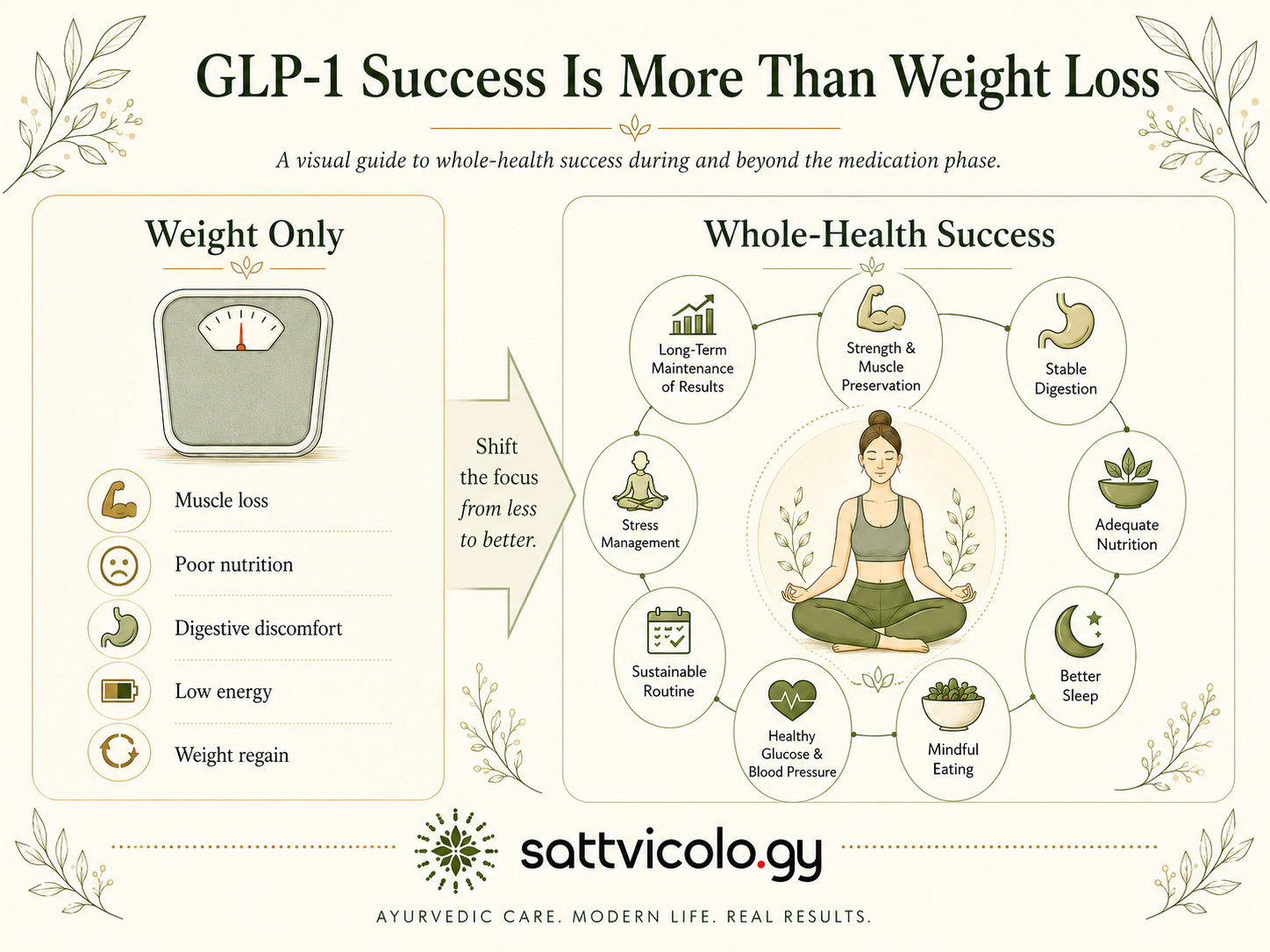
A New Way to Think About GLP-1 Success
Imagine reaching your target weight. Now remove the scale from the room. How would you know your health improved?
- You are stronger.
- You sleep better.
- You eat more intentionally.
- Your blood pressure improved.
- Your glucose improved.
- You move more comfortably.
- Your digestion is stable.
- You have stopped thinking about food every waking hour.
- You understand your hunger.
- You feel more capable in your body.
- You have routines you can actually maintain.
That is a richer definition of success than simply becoming smaller.
GLP-1 therapy can be an extraordinary medical tool. Ayurveda can offer a complementary framework that asks what happens around that tool: how you eat, how you digest, how you move, how you sleep, how you respond to stress and how you build a life that supports the healthier body you are working toward.
The goal is not simply: Lose the weight. The goal is: Build health that can live beyond the weight-loss phase.
Frequently Asked Questions About Ayurveda and GLP-1 Medications
For many people, general Ayurvedic lifestyle practices such as individualized nutrition, yoga, meditation, mindful eating and healthy daily routines may complement medical care while taking Ozempic. However, herbs and supplements should be reviewed with your healthcare team because they may affect blood glucose, digestion or medications.
Ayurveda may provide complementary lifestyle support while a qualified medical professional manages Wegovy treatment. An Ayurvedic practitioner should not independently change your medication dose or advise you to discontinue prescribed therapy.
Potentially, yes. Dietary routines, stress reduction, yoga and other lifestyle approaches can complement conventional treatment. Herbal products should be evaluated individually because tirzepatide affects digestion and may influence how certain oral medications are absorbed.
There is no universal GLP-1 diet. Current expert guidance emphasizes nutrient-dense foods, adequate protein, fruits and vegetables, legumes, whole grains, nuts, seeds, hydration and dietary patterns that help preserve muscle and prevent nutrient deficiencies. Individual recommendations should take your medical conditions and gastrointestinal tolerance into account.
There is no single Ayurvedic Ozempic diet. Ayurveda traditionally individualizes food recommendations according to constitution, current imbalance, digestion, symptoms, season and other factors.
Ayurvedic dietary and lifestyle strategies may complement conventional approaches to bowel regularity, but persistent constipation should first be discussed with the prescribing clinician. Adequate hydration, dietary fiber, movement and individualized food choices may be important.
There is not enough evidence to recommend Triphala universally for GLP-1 users. Because it can affect gastrointestinal function and because individual medications and health conditions differ, discuss it with your prescribing clinician and qualified Ayurvedic practitioner before use.
It depends on your overall medical history and medication list. Ashwagandha may not be appropriate for everyone and may affect thyroid function, blood glucose or other physiological systems. Your prescribing clinician should know about any herbal supplement you plan to use.
Bitter melon has been studied for potential effects on glucose metabolism. People taking diabetes medications should therefore avoid combining concentrated bitter melon supplements with their medication regimen without clinical guidance.
GLP-1 medications slow gastric emptying and frequently change food and fluid intake. Constipation is a recognized common adverse effect of Wegovy and Zepbound. Reduced food volume, inadequate fiber, dehydration and reduced movement may also contribute.
GLP-1 receptor agonists slow gastric emptying and increase satiety. Larger or richer meals may therefore become difficult for some patients to tolerate. Nausea is a common adverse effect. Persistent, severe or worsening nausea should be discussed with your healthcare provider.
Current expert guidance emphasizes adequate protein plus structured resistance training. Protein alone is not considered an adequate substitute for muscle-strengthening activity.
Unless you have a medical reason not to, physical activity is generally part of comprehensive weight-management care. Current expert recommendations emphasize both aerobic activity and resistance training.
Reduced appetite can make it harder to consume sufficient protein. Adequate protein, combined with resistance training, can help support preservation of muscle as weight decreases.
Significantly reduced food intake can increase the risk of inadequate nutrient intake. Expert guidance recommends attention to nutrient adequacy and monitoring when appropriate.
Weight regain is common after discontinuation of anti-obesity pharmacotherapy, although individual outcomes vary. In the STEP 1 extension, participants who stopped semaglutide regained about two-thirds of their prior weight loss on average during the following year.
Ayurvedic lifestyle practices may help support healthy routines, food choices, physical activity, sleep and stress management, but Ayurveda has not been established as a replacement for pharmacologic obesity treatment.
Both contain semaglutide, but they have different FDA-approved indications and dosing strategies. They should not be treated as interchangeable products without medical guidance.
Tirzepatide, the active ingredient in Zepbound, acts on both GIP and GLP-1 receptors and is commonly discussed alongside GLP-1-based therapies.
No medication should be stopped because you are beginning Ayurvedic care unless your prescribing medical professional directs you to do so. Ayurveda should complement necessary medical care rather than replace it.
References & Clinical Sources
- Mozaffarian D, et al. Nutritional priorities to support GLP-1 therapy for obesity: a joint Advisory from the American College of Lifestyle Medicine, the American Society for Nutrition, the Obesity Medicine Association, and The Obesity Society. The American Journal of Clinical Nutrition. 2025.
- Wilding JPH, et al. Weight regain and cardiometabolic effects after withdrawal of semaglutide: The STEP 1 trial extension. Diabetes, Obesity and Metabolism. 2022.
- U.S. Food and Drug Administration. Wegovy Prescribing Information. Revised March 2026.
- U.S. Food and Drug Administration. Zepbound Prescribing Information. Revised February 2026.
- National Institute of Diabetes and Digestive and Kidney Diseases. Weight Management and Anti-Obesity Medication Resources.
- PwC. GLP-1 Consumer Trends 2026.
- Sattvicolo.gy. How We Treat, FAQs and Ayurveda & Yoga Membership Information.
Medical Disclaimer
This article is for educational and informational purposes only. It is not intended to diagnose, treat, cure or prevent disease and does not constitute medical, nutritional or pharmaceutical advice.
GLP-1 and GIP/GLP-1 medications are prescription therapies that should be initiated, monitored, adjusted and discontinued only under the guidance of an appropriately licensed healthcare professional.
Do not stop, reduce, increase or otherwise modify Ozempic, Wegovy, Zepbound, semaglutide, tirzepatide or any other prescription medication based on information in this article.
Ayurvedic herbs and supplements can cause side effects and may interact with prescription medications, affect blood glucose or alter gastrointestinal function. Always disclose herbs, supplements and complementary treatments to your prescribing clinician.
Pregnant individuals, people planning pregnancy, breastfeeding individuals, people with diabetes, kidney disease, liver disease, gastrointestinal disorders, endocrine disease or other medical conditions should obtain individualized medical guidance before beginning an Ayurvedic herbal or nutritional regimen.
Sattvicolo.gy provides holistic and dietary recommendations intended to complement—not replace—conventional medical care. Seek immediate or appropriate medical attention for severe, persistent or concerning symptoms.