Part 3: Scientific Research, Frequently Asked Questions, and Living Well with Parkinson's Disease
An evidence-informed overview of exercise, yoga, emotional health, digestive wellness, sleep, supportive care, and practical strategies for living well with Parkinson’s disease.
What Does the Scientific Research Say?
Over the past two decades, researchers have increasingly explored how exercise, yoga, mindfulness, nutrition, and other complementary therapies may improve quality of life for people living with Parkinson’s disease.
While no complementary therapy has been shown to cure or reverse Parkinson’s disease, a growing body of evidence suggests that regular physical activity, appropriately adapted exercise, and stress-reduction practices may help improve physical function and overall well-being when used alongside conventional medical care.
Organizations such as the Parkinson’s Foundation, the American Academy of Neurology (AAN), and the World Health Organization (WHO) recognize the importance of regular exercise as part of comprehensive Parkinson’s management.
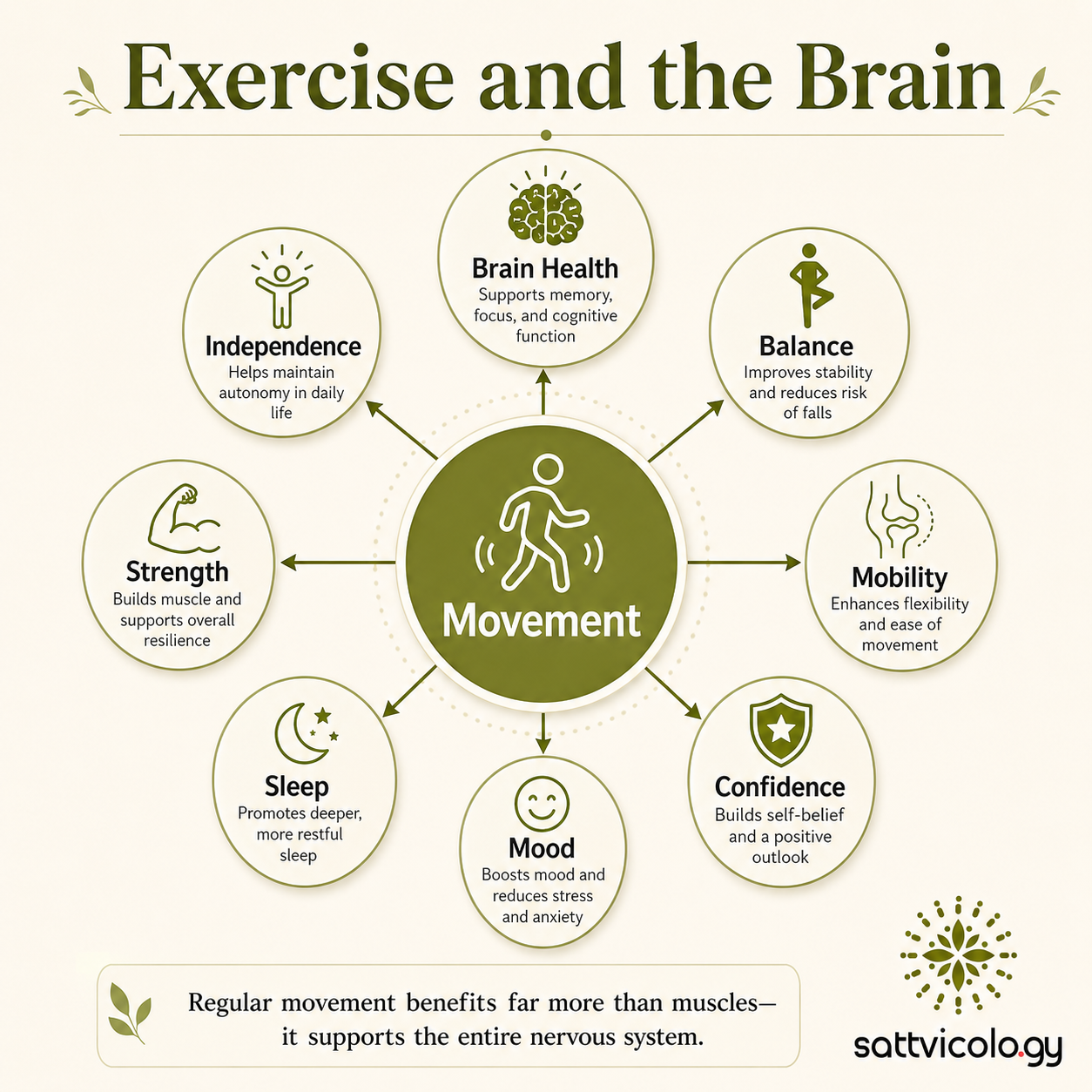
Research suggests that appropriately supervised exercise programs may improve:
- Walking speed
- Balance
- Functional mobility
- Muscle strength
- Flexibility
- Cardiovascular fitness
- Confidence during movement
- Quality of life
Studies evaluating yoga have reported improvements in balance, mobility, flexibility, emotional wellbeing, and fear of falling in some individuals with mild to moderate Parkinson’s disease.
These benefits appear greatest when yoga is practiced consistently under qualified supervision and tailored to the individual’s abilities.
The Brain's Ability to Adapt: Neuroplasticity
One of the most exciting discoveries in neuroscience is neuroplasticity—the brain’s ability to adapt and reorganize throughout life.
Although Parkinson’s disease involves the progressive loss of dopamine-producing neurons, the nervous system retains a remarkable capacity to learn, strengthen alternative pathways, and improve efficiency through repetition and practice.
Activities that may support neuroplasticity include:
- Regular exercise
- Physical therapy
- Dance
- Tai Chi
- Yoga
- Learning new skills
- Cognitive activities
- Social engagement
- Consistent sleep
Ayurveda does not use the term “neuroplasticity,” but its emphasis on daily repetition (Abhyasa), disciplined routines, and lifelong learning aligns with the modern understanding that consistent healthy habits can influence brain function.
The Gut-Brain Connection
Modern neuroscience increasingly recognizes the relationship between the digestive system and the brain.
Researchers continue studying how:
- The gut microbiome
- Gastrointestinal inflammation
- Nutrition
- Constipation
- Immune signaling
may influence neurological health.
Constipation often develops years before the motor symptoms of Parkinson’s disease.
Although researchers continue exploring these relationships, maintaining healthy digestion remains an important goal for overall health.
Ayurveda has emphasized digestive health for thousands of years through the concept of Agni, teaching that healthy digestion influences every tissue of the body.
While modern medicine and Ayurveda describe digestion differently, both acknowledge that digestive health deserves attention in long-term wellness.
Sleep, Recovery, and the Nervous System
Many individuals living with Parkinson’s disease experience:
- Insomnia
- REM Sleep Behavior Disorder (RBD)
- Frequent nighttime awakenings
- Daytime fatigue
Poor sleep may contribute to:
- Reduced concentration
- Increased fatigue
- Reduced balance
- Mood changes
- Lower quality of life
Helpful sleep strategies include:
- Maintaining consistent sleep times
- Reducing evening screen exposure
- Limiting caffeine later in the day
- Gentle evening stretching
- Meditation
- Yoga Nidra
- Discussing sleep concerns with your neurologist
Sleep disorders should never be ignored because effective medical treatments are available for many conditions.
Emotional Health Is Part of Parkinson's Care
Living with Parkinson’s disease involves emotional adaptation as well as physical adaptation.
People commonly experience:
- Anxiety
- Depression
- Fear of falling
- Social withdrawal
- Frustration
- Loss of confidence
These experiences are common—and they deserve compassionate attention.
Seeking support from:
- Psychologists
- Counselors
- Social workers
- Spiritual leaders
- Parkinson’s support groups
- Family members
can become an important part of comprehensive care.
Yoga philosophy reminds us that healing includes the mind as well as the body.
The Three Gunas and Living with Parkinson's
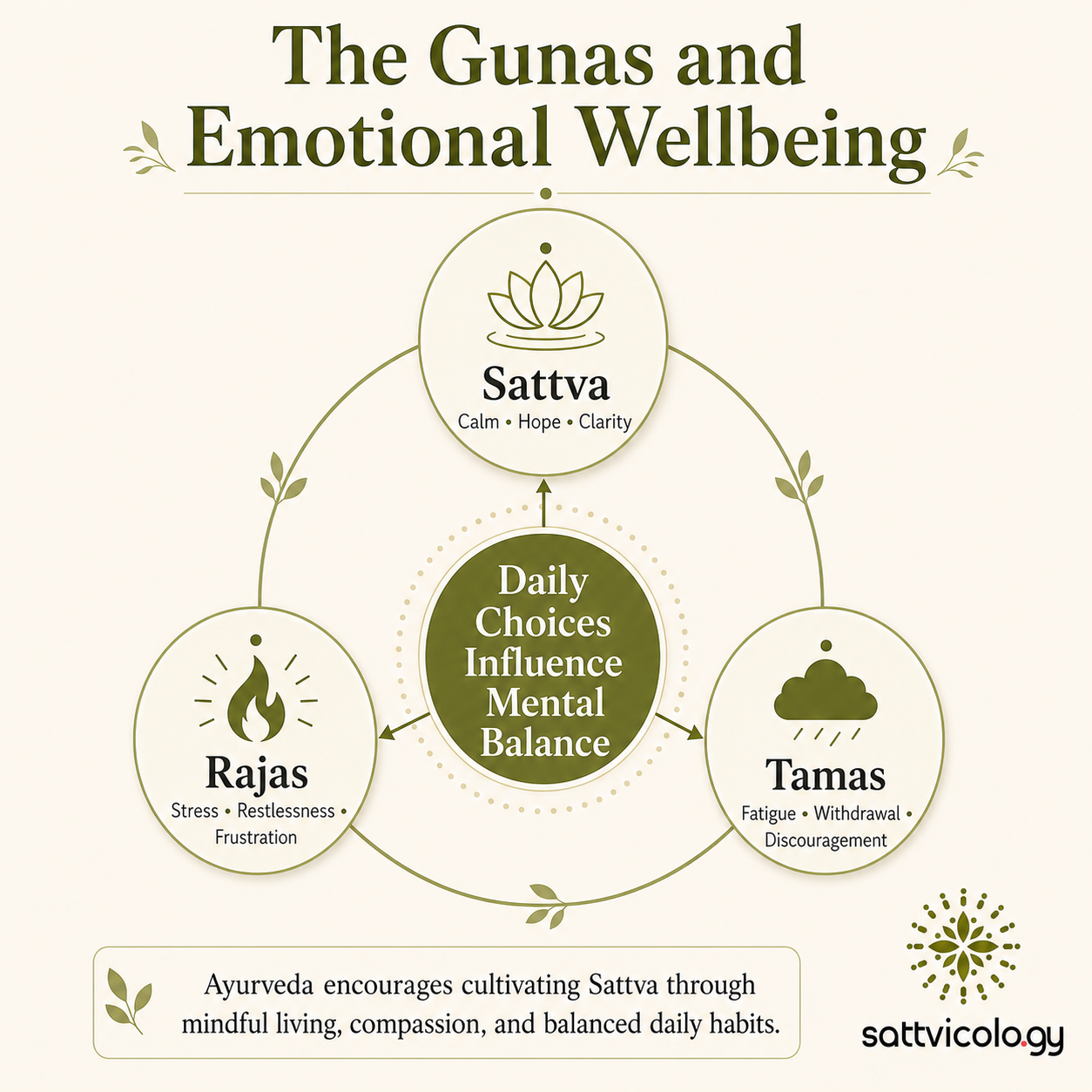
Ayurveda and Yoga describe three qualities of consciousness known as the Gunas.
Understanding these mental tendencies may help individuals develop healthier responses to life’s challenges.
Sattva
Represents:
- Clarity
- Peace
- Compassion
- Wisdom
- Balance
Practices that cultivate Sattva include:
- Meditation
- Prayer
- Fresh whole foods
- Gentle yoga
- Gratitude
- Nature
- Service to others
Rajas
Represents:
- Restlessness
- Excess mental activity
- Irritability
- Impatience
- Overstimulation
Managing stress may help reduce excessive Rajasic tendencies.
Tamas
Represents:
- Inertia
- Withdrawal
- Fatigue
- Discouragement
- Reduced motivation
Periods of Tamas are understandable during chronic illness.
The goal is not to eliminate these qualities but to gently cultivate greater Sattva while acknowledging life’s challenges with compassion.
Building Your Parkinson's Wellness Team
The best outcomes often come from collaboration.
Your wellness team may include:
- Neurologist
- Movement Disorder Specialist
- Primary Care Physician
- Physical Therapist
- Occupational Therapist
- Speech-Language Pathologist
- Registered Dietitian
- Mental Health Professional
- Certified Yoga Therapist
- Qualified Ayurvedic Practitioner
- Family Members
- Caregivers
Each professional contributes unique expertise.
Working together creates a comprehensive approach to living well with Parkinson’s disease.
When Should You Seek Immediate Medical Care?
Contact your healthcare provider promptly or seek emergency medical attention if you experience:
- Sudden inability to walk
- Severe or rapidly worsening weakness
- New confusion
- High fever
- Difficulty breathing
- Chest pain
- Sudden vision changes
- Frequent falls with injury
- Difficulty swallowing that causes choking
- Severe dehydration
- Hallucinations or sudden behavioral changes
- Loss of consciousness
Do not attribute new or worsening neurological symptoms solely to Parkinson’s disease without medical evaluation.
Frequently Asked Questions
No. There is currently no scientific evidence that Ayurveda cures or reverses Parkinson’s disease. Ayurveda may provide supportive lifestyle practices that complement conventional medical care by promoting overall wellbeing, digestion, stress management, mobility, and quality of life.
For many individuals, appropriately modified yoga can be beneficial. Exercises should always be adapted to each person’s balance, mobility, and medical condition. Consult your healthcare provider before beginning a yoga program.
Many people benefit from Chair Yoga, Gentle Hatha Yoga, Therapeutic Yoga, Restorative Yoga, or Adaptive Yoga. Avoid advanced balancing postures unless supervised by a qualified instructor.
Research suggests regular exercise may improve mobility, balance, function, and quality of life. However, exercise should not be described as a cure or proven disease-modifying treatment.
Meditation may help reduce stress, improve emotional resilience, and enhance overall wellbeing. It does not replace medical treatment.
A balanced diet emphasizing vegetables, fruits, whole grains, legumes, healthy fats, and adequate hydration supports overall health. Discuss individualized nutrition recommendations with your healthcare team.
Not always. Natural products may interact with prescription medications. Always consult your neurologist or qualified healthcare provider before beginning supplements.
Parkinson’s disease may affect the nervous system that regulates digestive function. Hydration, dietary fiber, physical activity, and medical guidance are important components of management.
Stress may temporarily worsen tremor, muscle tension, and other symptoms. Stress-management techniques—including meditation, breathing exercises, and yoga—may help some individuals feel calmer and more resilient.
Caregivers should prioritize adequate sleep, exercise, emotional support, regular medical care, respite breaks, and community resources. Healthy caregivers are essential members of the care team.
Key Takeaways
Parkinson’s disease presents unique physical, emotional, and practical challenges.
Modern medicine remains the foundation of treatment through medications, rehabilitation, and ongoing neurological care.
Ayurveda and Yoga contribute a complementary perspective by emphasizing:
- Daily routines
- Nourishing nutrition
- Gentle movement
- Breath awareness
- Stress management
- Sleep quality
- Emotional resilience
- Mindful living
Together, these approaches encourage individuals to focus not only on managing symptoms but also on cultivating vitality, purpose, and quality of life.
Living well with Parkinson’s is not about perfection.
It is about adapting with wisdom, seeking support, celebrating progress, and recognizing that every small healthy choice contributes to long-term wellbeing.
Continue Your Journey Toward Balance
Your physical symptoms are only one part of your health.
Ayurveda teaches that your mental qualities—Sattva, Rajas, and Tamas—also influence how you respond to stress, illness, relationships, and everyday challenges.
Discover Your Dominant Guna
Take the free Sattvicology Gunas Assessment to receive personalized insights into your mind-body tendencies and learn practical Ayurvedic and yogic recommendations that may support greater balance and resilience.
Medical Disclaimer
The information provided in this article is for educational purposes only and is not intended to diagnose, treat, cure, or prevent Parkinson’s disease or any other medical condition.
Parkinson’s disease is a complex neurological disorder that requires evaluation and management by qualified healthcare professionals. Ayurveda, yoga, meditation, nutrition, and other lifestyle practices are intended to complement—not replace—conventional medical care.
Never stop or adjust medications such as levodopa or other Parkinson’s therapies without consulting your neurologist. Herbal supplements may interact with prescription medications, including treatments for Parkinson’s disease, blood pressure, diabetes, depression, or blood clotting.
If you experience new neurological symptoms, repeated falls, chest pain, difficulty breathing, severe swallowing problems, confusion, or any medical emergency, seek immediate medical attention.