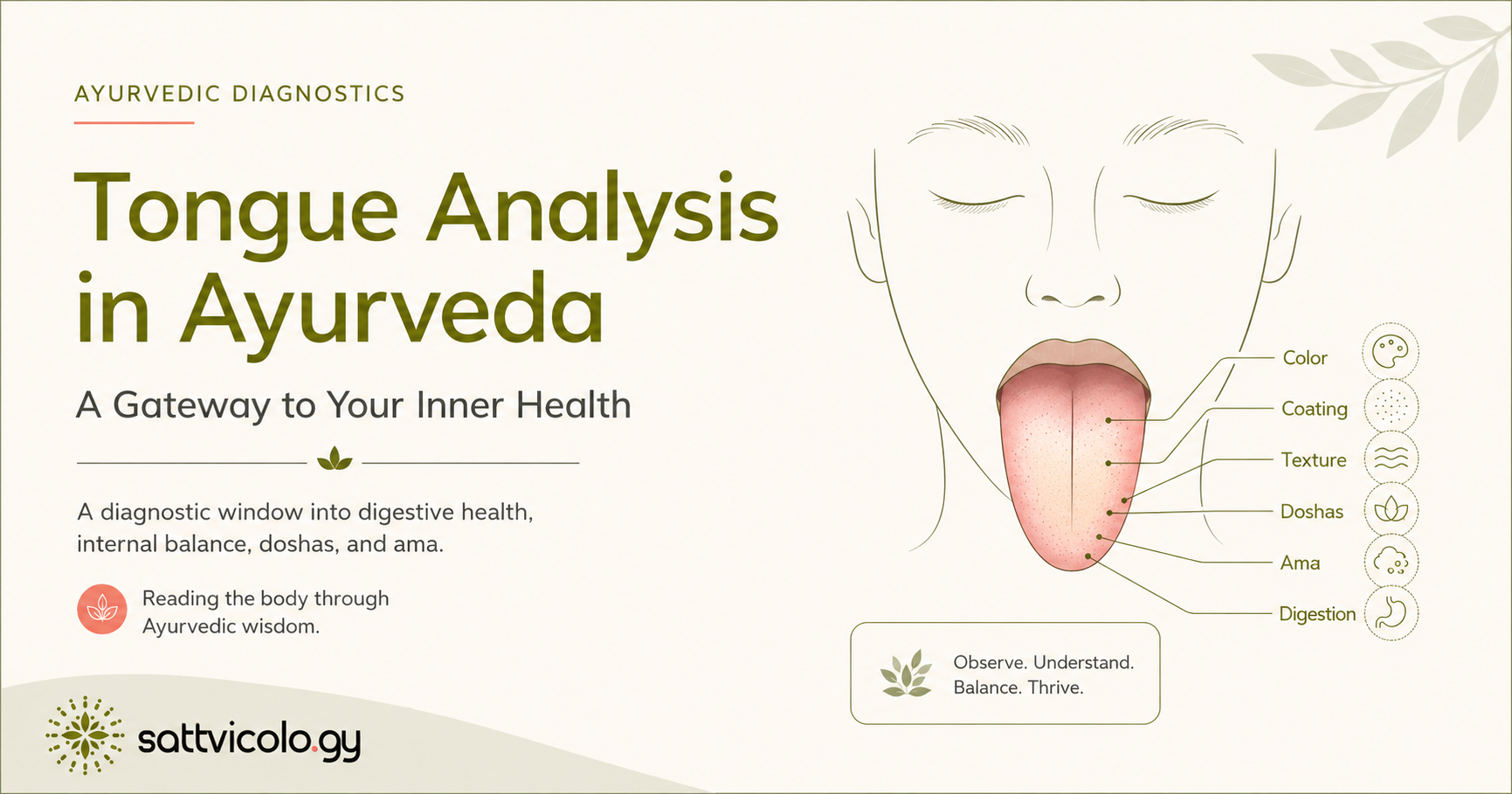
Tongue Analysis in Ayurveda:
A Gateway to Your Inner Health
Discussing Ayurvedic herbs, foods, and lifestyle practices to strengthen the immune system and prevent illness.
"जिह्वा मार्गानुसारिणि दोषाणां प्रकृतिं वदेत्। स्वच्छत्वात् सुकुमारत्वात् दोषाणां लक्षणं वदेत्॥"
"The tongue reflects the state of doshas (bodily humors) and their imbalances. Its cleanliness and texture reveal signs of health and disease."CHARAKA SAMHITA
Ayurveda, the ancient Indian system of holistic medicine, emphasizes the interconnectedness of the body, mind, and spirit. One of its unique diagnostic tools is tongue analysis, a practice used to evaluate a person’s health by examining the appearance, color, and texture of their tongue. This method provides insights into the state of the digestive system, internal organs, and overall dosha (body constitution) balance. Interestingly, modern scientific studies are beginning to validate some aspects of this traditional diagnostic technique.
The Significance of the Tongue in Ayurveda
In Ayurveda, the tongue is considered a map of the body, with specific regions corresponding to different internal organs and systems.
For instance:
- The tip of the tongue reflects the heart and lungs.
- The middle section is associated with the stomach, pancreas, and liver.
- The back of the tongue corresponds to the kidneys and intestines.
- The sides of the tongue represent the spleen and liver.
By observing changes in these areas, Ayurvedic practitioners can detect imbalances in the doshas—Vata, Pitta, and Kapha—and identify the presence of toxins (known as ama) in the body.
Key Observations In Tongue Analysis
- Coating on the Tongue:
- A thin white coating is considered normal, but a thick or discolored coating indicates the presence of ama (toxins) in the digestive tract.
- Yellow or brown coating often signifies excessive heat and Pitta imbalance, possibly linked to liver or gallbladder issues.
- Color of the Tongue:
- A pink tongue is a sign of good health and balance.
- A pale tongue may indicate anemia or Vata imbalance.
- A red tongue suggests excessive heat and inflammation, often linked to Pitta imbalance.
- Texture and Shape:
- Teeth marks along the edges of the tongue are often associated with malabsorption or stress.
- A cracked tongue could be a sign of chronic Vata imbalance or dehydration.
- Swollen edges might point to Kapha-related stagnation or water retention.
- Movement of the Tongue:
- A trembling tongue is commonly linked to nervous system disorders and Vata imbalance.
- A stiff tongue may indicate muscular or neurological issues.
Scientific Perspectives On Tongue Analysis
While tongue analysis has its roots in Ayurvedic tradition, modern research is beginning to shed light on its diagnostic potential.
1. Correlation Between Tongue Coating and Digestive Health
A study published in the Journal of Oral and Maxillofacial Pathology (2014) explored the relationship between tongue coating and systemic health. The researchers found that thick tongue coating is often associated with gastrointestinal issues, including indigestion and microbial imbalances (Sharma et al., 2014). This aligns with Ayurvedic principles, which view the tongue as a reflection of the digestive system.
2. Tongue Color and Nutritional Deficiencies
Research published in the Journal of Traditional and Complementary Medicine (2017) highlighted that a pale tongue can indicate iron deficiency anemia and poor circulation (Yang et al., 2017). Similarly, a red tongue was linked to inflammatory conditions, supporting Ayurveda’s claim that tongue color can reflect internal imbalances.
3. Tongue Shape and Systemic Health
A study in the Journal of Ayurveda and Integrative Medicine (2019) found that abnormalities in tongue shape and texture, such as cracks or swelling, were associated with chronic illnesses, including diabetes and cardiovascular disorders (Patel & Shah, 2019). This reinforces Ayurveda’s assertion that the tongue can act as an early warning system for systemic health problems.
The Process of Tongue Examination
Ayurvedic practitioners perform tongue analysis as part of a holistic health assessment. Here’s what they typically look for:
- Overall Appearance: A quick glance at the tongue provides a general sense of health.
- Coating: The thickness, color, and texture of the coating are examined to assess digestive efficiency and toxin buildup.
- Color: Variations in tongue color help identify dosha imbalances and potential organ dysfunctions.
- Shape and Texture: Cracks, swelling, and teeth marks are scrutinized for signs of chronic imbalances.
- Movements: The way the tongue moves when extended can indicate neurological health and energy flow.
Practical Tips for a Healthy Tongue and Body
- Scrape Your Tongue Daily: Use a stainless steel or copper tongue scraper to remove toxins and bacteria from the tongue’s surface.
- Stay Hydrated: Drinking plenty of water helps maintain a healthy tongue and supports detoxification.
- Follow a Balanced Diet: Incorporate foods that align with your dosha to promote overall health and tongue clarity.
- Mind Your Digestion: Avoid heavy, oily, or processed foods that contribute to ama.
- Observe Your Tongue: Regular self-checks can help you detect early signs of imbalances.
Conclusion
Tongue analysis is a fascinating blend of ancient wisdom and modern science. In Ayurveda, the tongue is not merely an organ for tasting but a diagnostic tool that reveals the state of your internal health. Modern research continues to validate this practice, showing correlations between tongue characteristics and systemic conditions.
By integrating tongue analysis into your wellness routine, you can gain valuable insights into your body’s health and take proactive steps toward balance and vitality. As Ayurveda teaches, the tongue doesn’t lie—it’s a window into your overall well-being.
References
- Sharma, P., et al. (2014). Correlation between tongue coating and gastrointestinal health. Journal of Oral and Maxillofacial Pathology. Link
- Yang, Y., et al. (2017). The diagnostic potential of tongue color in systemic health. Journal of Traditional and Complementary Medicine. Link
- Patel, S., & Shah, N. (2019). Tongue abnormalities and their systemic correlations. Journal of Ayurveda and Integrative Medicine. Link
Unlock the ancient wisdom of Ayurveda and strengthen your immune system with Sattvicolo.gy’s wellness subscriptions. Our personalized programs in yogic sciences, diet coaching, and holistic well-being empower you to align your body’s natural defenses with the rhythms of nature. Whether you’re looking to incorporate powerful Ayurvedic herbs, immune-boosting foods, or stress-reducing practices, our experts are here to guide you.
Begin your journey towards enhanced resilience, vitality, and well-being: sign up for Sattvicolo.gy’s wellness subscriptions today!
Disclaimer:
Sattvicolo.gy provides holistic treatments and dietary recommendations designed to complement, not replace, conventional medical care. The information on this site is for educational purposes only and has not been evaluated by the FDA. We recommend consulting with a physician before starting any new health regimen, especially if you have existing health conditions or are taking medications. All data is securely encrypted and stored on our HIPAA-compliant servers, ensuring your privacy and security. If you prefer not to have your consultations recorded, please inform your Patient Wellness Advocate or doctor before the session begins. Use of this site is at your own risk, and Sattvicolo.gy is not liable for any outcomes or damages resulting from the use of the information or products presented here.